Brand Logo

Ram Board Industries — Floor Protection by Segment

Choose the jobsite profile that matches your traffic, finish schedule, and occupancy constraints. Each card outlines how temporary floor covering behaves when trades overlap with installed flooring.

Detailed Segment Cards

Hardwood, tile, LVT, and polished concrete each fail differently under scaffold casters and paint staging. These profiles describe the covering approach contractors actually use—not a one-size roll pitch.

Residential renovation with covered hardwood

Residential Renovation

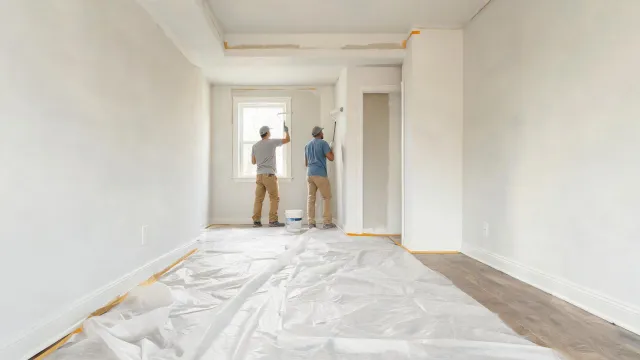
Homeowners expect finished floors to survive months of cabinet, paint, and MEP traffic. Ram Board boards with taped seams limit puncture marks from ladder feet while keeping water absorption away from raw hardwood edges during wet mud work. Specifiers often request recycled content percentage notes when green remodeling checklists appear in the owner package.

  • Focus: hardwood & tile protection during occupied remodels
  • Watch-out: stair nosings and transitions need cut-fit boards
Multifamily unit turnover floor protection

Multifamily Interiors

Unit matrix takeoffs let purchasing order one coverage kit per floor instead of ad-hoc rolls. Reusable floor protection between turnovers reduces waste when punch lists stretch. Moisture vapor transmission under newly installed LVT stays controlled when seams are taped before HVAC balancing starts humidifying the stack.

  • Focus: repeatable kits across floors and buildings
  • Watch-out: elevator lobbies need heavier traffic class boards
Retail store build-out floor covering

Retail & Hospitality Build-Outs

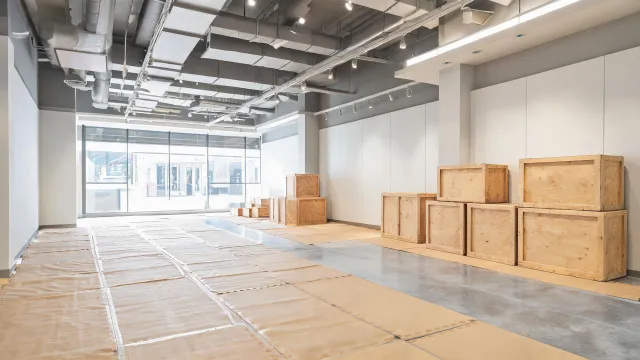
Overnight fixture installs drag crates across polished concrete and specialty floors. Impact resistance matters more than thin paper when pallet jacks enter after hours. UV stability is rarely the floor issue indoors, but abrasion resistance and dimensional stability under wheeled loads decide whether the covering lasts until soft opening.

  • Focus: polished concrete & specialty finish protection
  • Watch-out: staged deliveries to avoid outdoor wet storage
Healthcare corridor with temporary covering

Healthcare Corridors

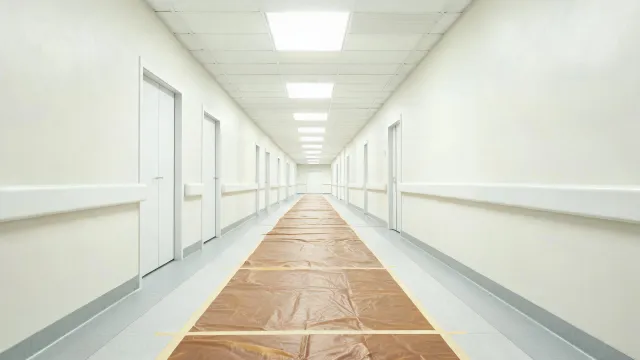
Occupied wings need temporary pathways that respect slip resistance coefficient expectations while renovation continues behind barriers. Low VOC emissions documentation (GREENGUARD Gold pathway) helps infection-control and facilities teams approve materials near patient routes. Fire resistance rating questions usually belong to the wall assembly—not the temporary covering—but we keep submittals clear so reviewers do not stall the package.

  • Focus: occupied-path covering with clean documentation
  • Watch-out: phased removal so wet floors are never left open to traffic

Quick Selector Checklist

Use this checklist before you request a quote. Checking three or more “yes” answers usually means you need board-grade temporary floor protection rather than thin kraft paper.

If your team is still debating natural plywood sheathing versus OSB for the envelope, that decision lives with the structural package—not this covering page. For floors, the parallel debate is board thickness versus paper: choose based on impact resistance and expected weeks of traffic, then confirm water absorption staging rules with your superintendent.

Match Coverage to Your Segment

Tell us which industry card fits your job. Include finish type, remaining trade weeks, and whether pathways stay open to the public.