
Completed renovation and commercial interiors where temporary floor protection kept hardwood, tile, and LVT intact through final walkthrough—case studies for contractors who measure reliability in fewer refinish callbacks.
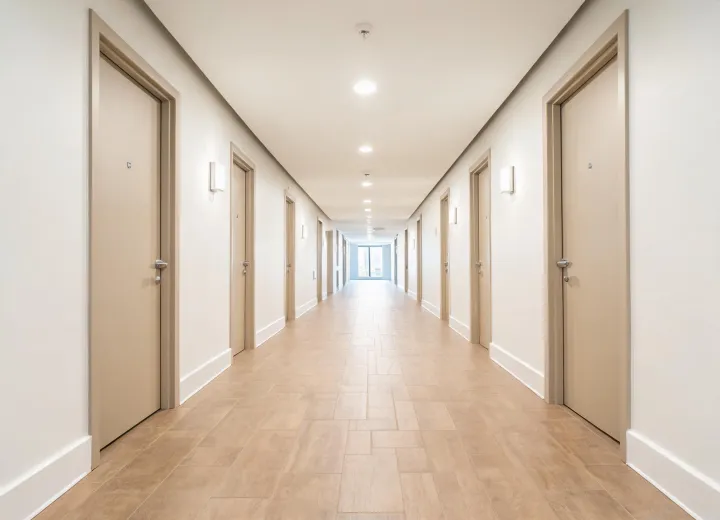
On a 96-unit Bay Area multifamily turnover, the GC faced staggered punch lists while flooring had already installed LVT on three floors. Ram Board boards with taped seams carried scaffold and cart traffic for six weeks. Coverage takeoffs matched the unit matrix, so purchasing ordered one kit per floor instead of guessing rolls. Punch items related to scratched planks dropped after crews followed the seam diagram included in the submittal pack.
“We stopped refinishing hallways between inspections. The covering held, and the owner walkthrough stayed on the original date.”
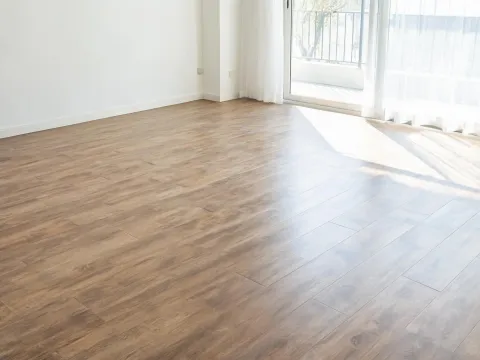
A coastal custom remodel in Southern California needed hardwood protection while cabinets and wet finishes continued. The superintendent debated kraft paper versus board-grade covering; both options were tabled with impact resistance and water absorption rate notes so the owner—not the salesperson—chose. Outdoor staging rules kept dimensional stability within tolerance through a foggy week, and GREENGUARD Gold VOC emissions notes satisfied the indoor-air checklist without a second binder.
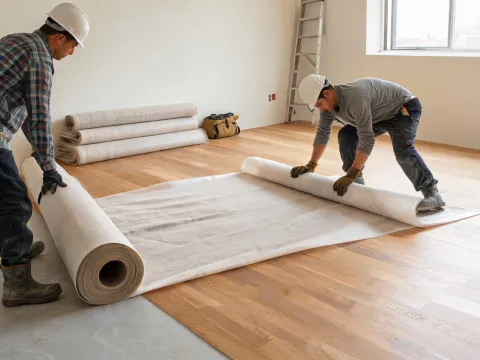
Projects that skipped seam tape saw grit migrate under boards and abrade LVT edges. A 15-minute taping pass after roll-out preserved abrasion resistance on the finish beneath.
Outdoor pallets overnight raised water absorption staining on board faces. Successful galleries moved stock inside within four hours of delivery and kept vapor breaks under stacks on wet slabs.
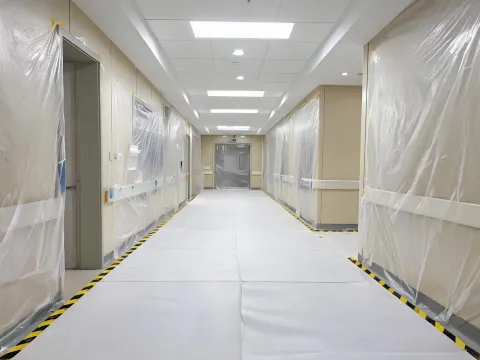
Occupied renovations cleared faster when GREENGUARD Gold and recycled content percentage notes sat in the same PDF as the flooring submittal. Waiting until the inspector asked created two-day stalls on healthcare corridors.
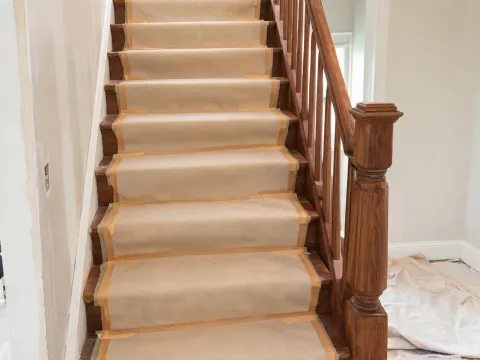
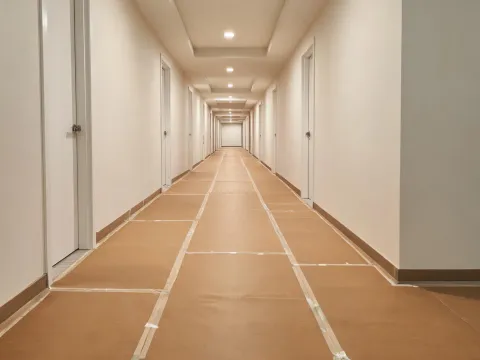
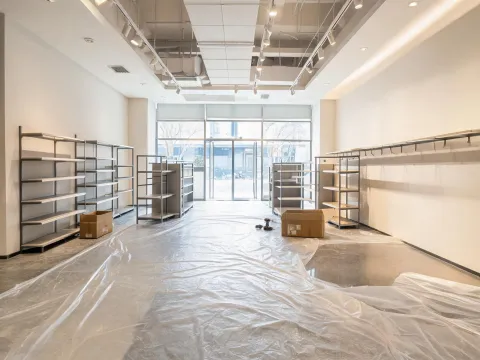
Share drawings or a simple square-footage list. We will propose board and roll packages with the same documentation style used on the galleries above.